by Rob
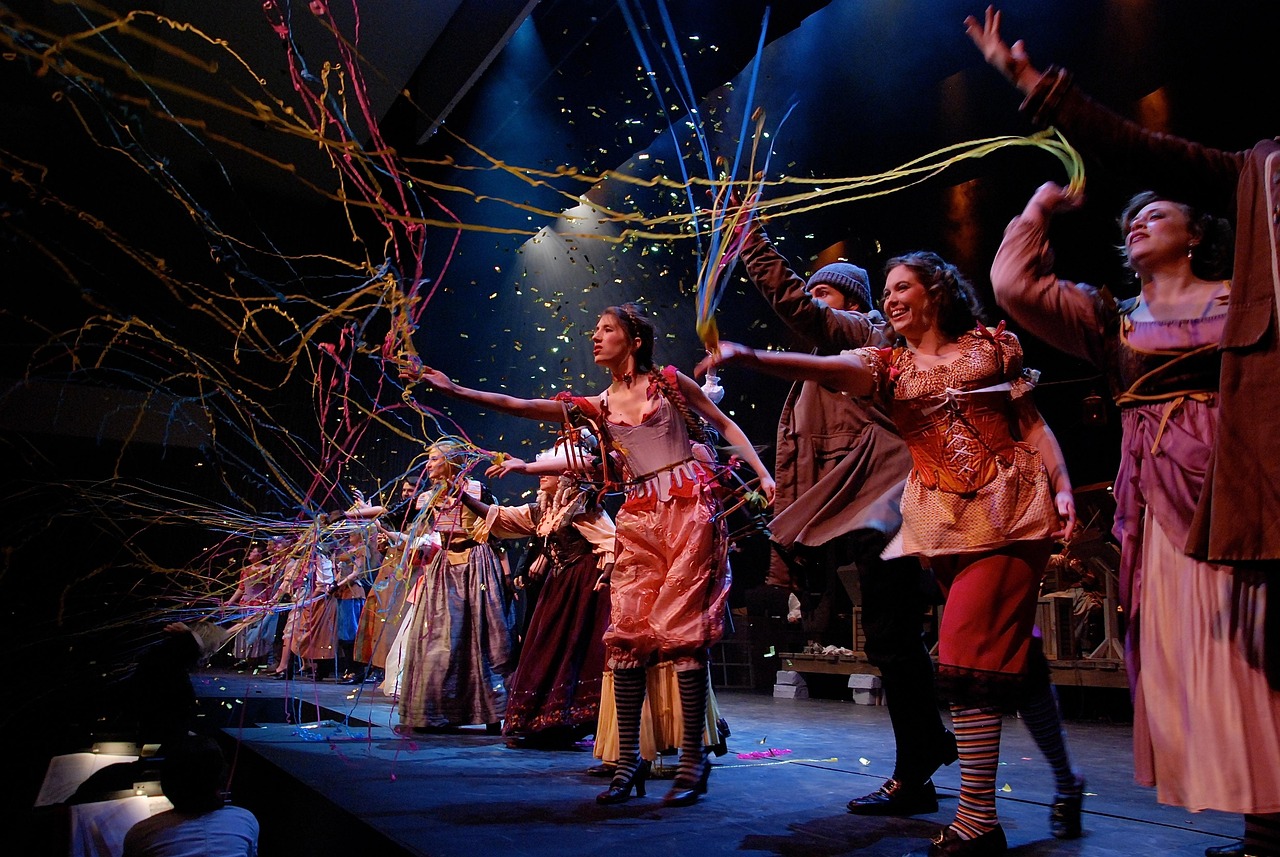 Let's talk about opera. Not the way your grandma did, with a glass of sherry and a monocle, but the way me and Oran do, with a wink and a hope for something a little less, well, snooty.
So, where did this whole opera thing come from? Picture Italy in the late 16th century. Rich nobles are bored out of their skulls at court, so they commission these massive, expensive spectacles: opera. Basically, it was the Renaissance version of a Netflix binge, but with more powdered wigs and less couch potatoing. And yes, it was exclusive, if you weren't rolling in ducats, you weren't getting in. Opera was basically a fancy watch party for the 1%.
Fast forward a few centuries, and opera starts to escape the palaces. It hits the public stages, but guess what? It's still seen as "elite." The middle class, eager to look cultured, latched on, and suddenly everyone's pretending to understand Italian arias while secretly wondering when the singing will stop. Meanwhile, actual working-class folks were having a blast in music halls and cinemas, where opera was performed in a much more laid-back, "let's have a pint and a singalong" kind of way.
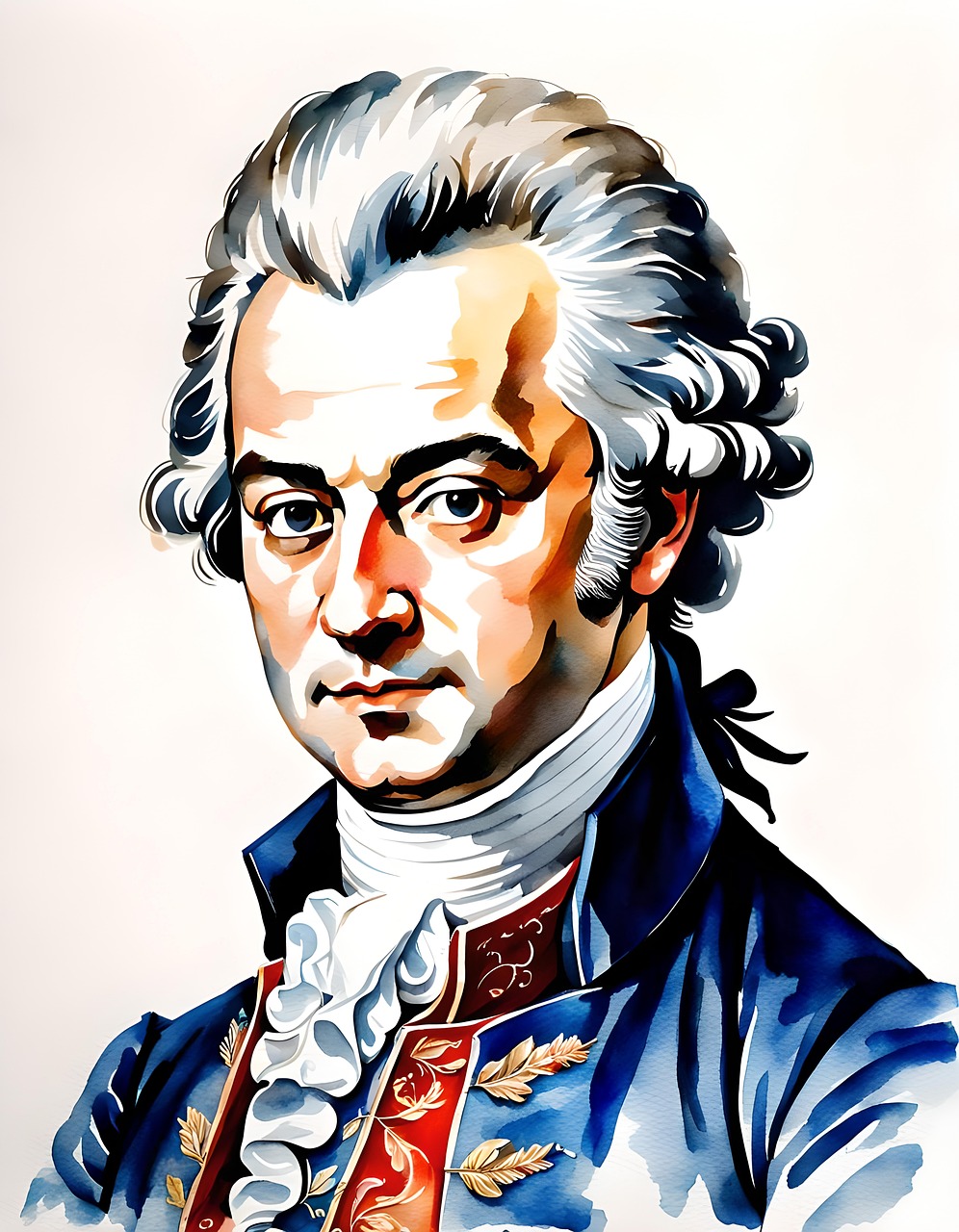
Now, let's talk about comedy in opera. Because, honestly, if you've ever sat through a four-hour tragedy and not wanted to poke your eyes out with a program, you're a better person than me. The Italians invented "opera buffa, " which is just a fancy way of saying "opera with jokes". Mozart's The Marriage of Figaro is basically a sitcom with better music, mistaken identities, sneaky servants, and a count who really needs to learn to keep it in his pants. And the French? They took the idea and ran with it, creating "opéra comique, " which, confusingly, doesn't always mean it's funny, just that there's some talking in between the singing. (Thanks, France. Way to keep us guessing.)
But here's the thing: opera got stuck in a rut. It became this highbrow, serious art form, and everyone forgot how to laugh. Modern opera composers and librettists are so busy trying to be "important" that they've forgotten the joy of a good fart joke or a witty one-liner. Mark Campbell, a librettist who actually gets it, says, "We don't take comedy seriously." Well, maybe we should. Because nothing is harder than making people laugh, and nothing is more rewarding.
So, where does that leave me and Oran? We're on a mission. We want to bring opera to the masses, not as some untouchable art form, but as something fun, accessible, and maybe even a little bit ridiculous. We're writing comedy operas with absurd plots and character-driven storylines, like "God and the Devil" and other works that don't take themselves too seriously. We want to see people in jeans and t-shirts, not tuxedos and ball gowns. We want laughter, not just polite applause. But hey, we're also doing the serious stuff but making it modern day and accessible to all.
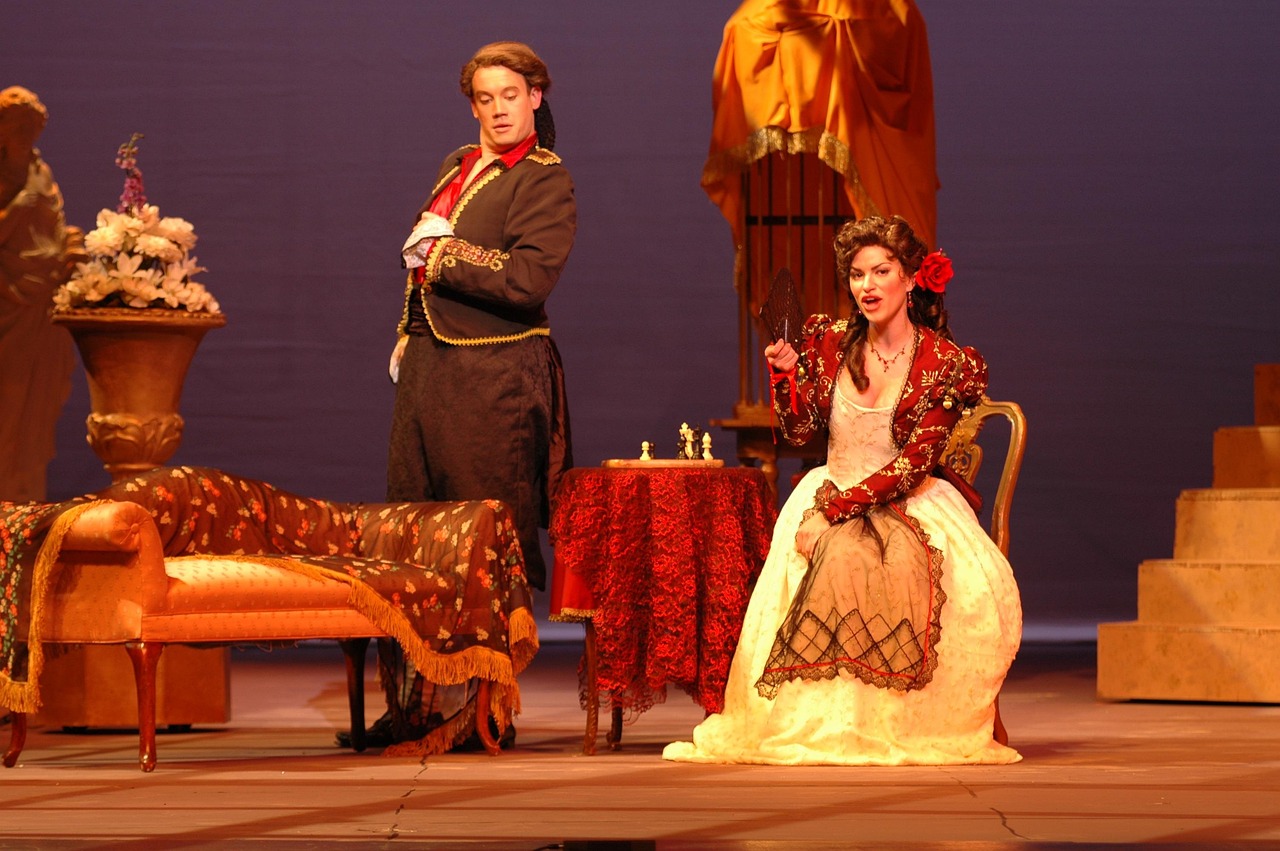
Because, let's be honest: opera is only as elite as we let it be. It started as entertainment for the rich, but it doesn't have to stay that way. With a bit of humour and a lot of heart, maybe, just maybe, we can make opera something everyone can enjoy. And if not, well, at least we tried. (And we'll have some killer fart jokes to show for it.)